
Road construction alarms: protect assets and crew
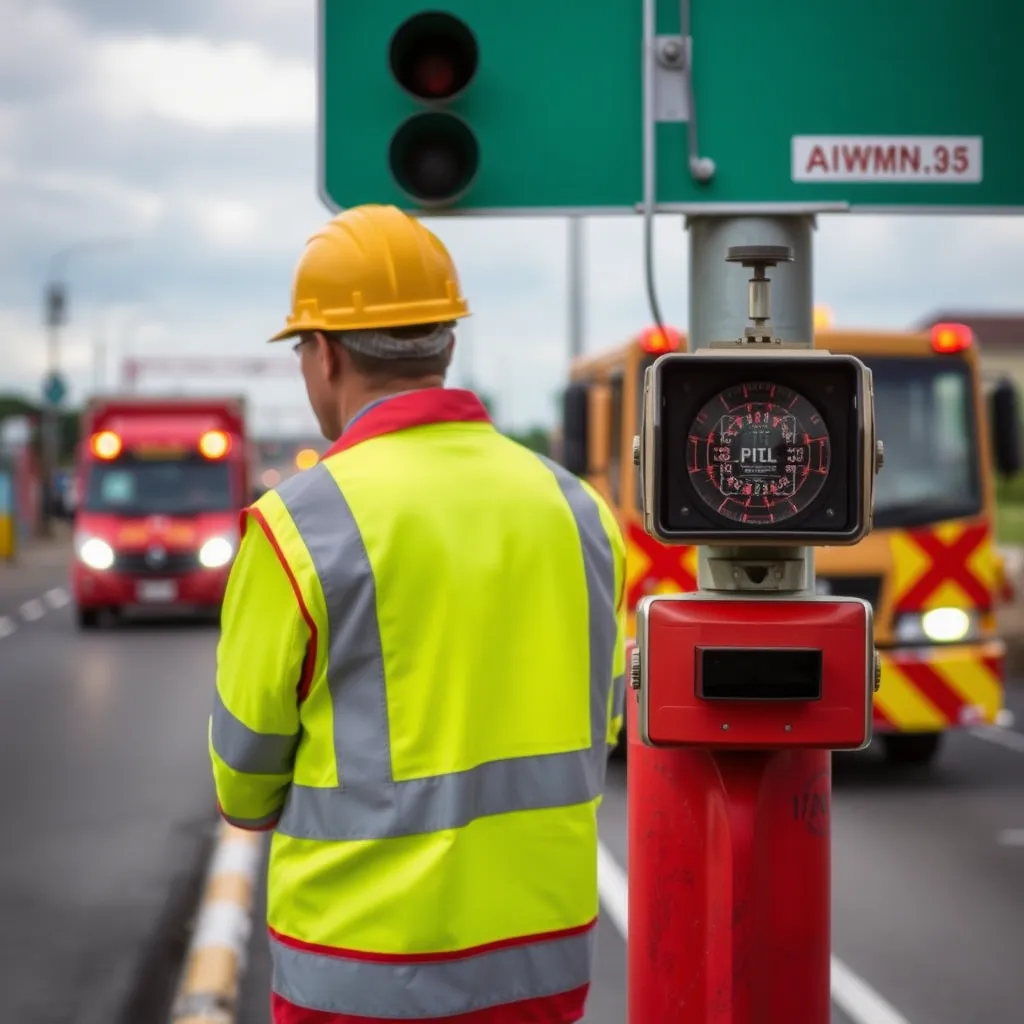
The essential takeaway: Effective site protection requires a multi-layered strategy combining visible deterrents with smart perimeter detection. By integrating immediate alarms and early warning systems, construction managers safeguard expensive equipment against theft while ensuring worker safety. This proactive approach prevents costly downtime by stopping intruders before damage occurs, moving beyond simple noise to complete security.
Leaving expensive heavy machinery unattended overnight often exposes you to the high costs of theft and vandalism, but installing reliable road construction alarms serves as a powerful deterrent against these threats. This article details exactly how modern security systems function to instantly alert you of unauthorized access and protect your most vulnerable assets. You will learn practical methods to fortify your site perimeter and guarantee a safer working environment for your entire team.
Why Your Site Is a Target and How to Fight Back
The Dual Job of a Security Alarm
Let's be honest: a road construction site after hours is often an open invitation for thieves. Your heavy equipment sits there, exposed and vulnerable in the dark. However, effective road construction alarms aren't just about making noise; they create a powerful deterrent effect that stops criminals cold.
If that initial warning fails, the system’s second function kicks in: immediate alerting. It instantly signals the intrusion to site managers, drastically cutting response time to prevent significant theft and vandalism.
Protecting Your Most Valuable Assets
Think beyond the replacement cost of a stolen loader. Unprotected machinery represents a massive financial risk. In many cases, a simple act of vandalism causes costly downtime that hurts your bottom line far more than the repair bill itself.
Above all, personnel safety is paramount. An unauthorized person wandering onto your site is both a liability and a danger. A robust alarm system keeps your workers safe from unexpected encounters with intruders, letting them focus on the job.
- Safeguarding valuable assets.
- Reducing project delays and financial losses due to downtime.
- Creating a secure environment for all personnel on site.
The Different Lines of Defense for Your Equipment
Immediate Alerts: On-Site Alarms
Think of the most direct protection: audible sirens and flashing lights. These are the classic road construction alarms. Their purpose is simple: create an immediate, localized disturbance when a boundary is crossed.
This disturbance is highly effective at scaring off opportunistic thieves or vandals. The sudden noise and light draw unwanted attention, making the intruder's presence known to anyone nearby. It is a simple but effective layer of construction site security.
Smart Detection: Stopping Trouble Early
Perimeter detection systems offer a more proactive approach. These systems act as an invisible fence around your equipment or site.
These early warning systems use sensors to detect motion or presence before someone even touches the equipment. Instead of just a loud noise, they can send a silent alert to a phone or a security center. This allows for a response before any damage is done. It keeps your assets safe.
|
Alarm Type |
Primary Goal |
Best For |
|
On-Site Audible/Visual Alarms |
Immediate Deterrence |
Scaring off intruders during the act. |
|
Perimeter Detection Systems |
Early Warning & Alerting |
Notifying security before a theft occurs. |
|
Personal Safety Devices |
Individual Protection |
Alerting for help in case of a direct threat to a worker. |
Beyond the Siren: Modern Approaches to Site Security
But security isn't just about setting up a perimeter. Modern thinking extends protection to the people themselves and even warns the public.
A Heads-up for Everyone: Proactive Warning Systems
We need to think bigger than the site fence. Advanced road construction alarms now expand the security bubble by communicating with the outside world. This stops accidents before the public even gets close.
Imagine sending a digital alert straight to a driver's navigation app seconds before they arrive. This warns them of the work ahead. It drastically cuts the risk of accidental intrusions, protecting both the public and your work zone safety perimeter.
Keeping Every Worker Safe, Even When Alone
Then you have the specific risk to lone workers. On a massive, noisy site, a team member can easily end up isolated and vulnerable. A standard site alarm often isn't enough to protect them from a direct threat or signal for help.
That's where personal, wearable alert devices come in. These discreet alarms stay on the worker.
- They can be activated manually in an emergency.
- Some send a silent, location-based alert.
- They provide a direct line of defense for lone worker safety.
Protecting a road construction site requires a multi-layered approach. Whether you choose loud sirens for immediate deterrence or smart detection systems for early warnings, the goal remains the same. By combining equipment security with personal safety devices, you ensure a safer environment for both your valuable assets and your team.
FAQ
Do construction vehicles come equipped with specific security alarms?
Yes, modern construction vehicles often feature a combination of safety and security alarms to protect both the operator and the machine. For operational safety, you will find audible back-up alarms and "white sound" warnings that alert workers to moving machinery without causing noise fatigue. Regarding security against theft, many vehicles are now fitted with silent tracking systems and immobilization alarms that notify you immediately if equipment is moved unauthorized.
Do construction sites utilize silent alarm systems?
Absolutely. Silent alarms are a strategic choice for protecting your site after hours. Unlike loud sirens that might just scare an intruder away, a silent system detects motion—often using infrared sensors—and instantly sends a digital alert to a security team or your mobile device. This allows for a rapid response from law enforcement to catch vandals or thieves in the act before they can damage your valuable assets.
How do alarm systems help prevent accidents in highway work zones?
Alarm systems play a critical role in reducing collisions, which are a common hazard in work zones. Advanced systems use radar and cameras to eliminate blind spots, alerting operators with visual and audio signals if a person or object is too close. Furthermore, proactive warning systems can now broadcast digital alerts to the navigation apps of approaching public traffic, warning drivers of the work zone ahead to prevent accidental intrusions.
Share this article
Related Posts



Latest Posts


